Tips for Team Development in a Hybrid Environment

Navigating the complexities of managing a hybrid workforce can be challenging, but with the right strategies, the benefits can far outweigh the difficulties. In this blog article, we'll explore essential tips to help managers, HR professionals, and remote teams thrive in a hybrid environment. From establishing clear communication protocols to fostering an inclusive culture, these actionable insights will guide you in creating a cohesive and productive team. Read on to discover how you can turn the challenges of a hybrid workplace into opportunities for success! For more detailed strategies, you can refer to the article featured at Atlanta Business Chronicle's BizSpotlight.
Building a strong team in a hybrid environment is essential for maintaining morale and productivity. Here are some actionable tips for leaders to foster team development:
- Encourage Individual Growth: Promote personal development by providing resources and opportunities for skill enhancement. Encourage team members to pursue online courses or certifications that align with their career goals.
- Foster Team Collaboration: Organize regular virtual team-building activities to strengthen relationships among team members. These can include fun icebreakers, collaborative projects, or even informal virtual coffee breaks.
- Recognize and Celebrate Achievements: It's important to celebrate successes, both big and small, in a hybrid workplace. Acknowledging individual and team accomplishments can create a positive atmosphere and boost morale.
- Promote Peer Support: Establish a buddy or mentorship system that pairs remote and in-office employees. This encourages knowledge sharing and helps build a sense of community.
- Solicit Team Input: Involve your team in the decision-making process regarding work practices, technologies, and policies. Prioritizing their feedback fosters a sense of ownership and empowerment.
By integrating these practices, leaders can cultivate a cohesive and thriving team dynamic, despite the physical distance. Trust, communication, and a focus on development will drive success in any hybrid model.
Get Practical and Actionable Insights Delivered Monthly
Sign up for our blog now so you never miss out on our expert advice and tips.
Other Blogs

Team Leadership: The First Multiplier
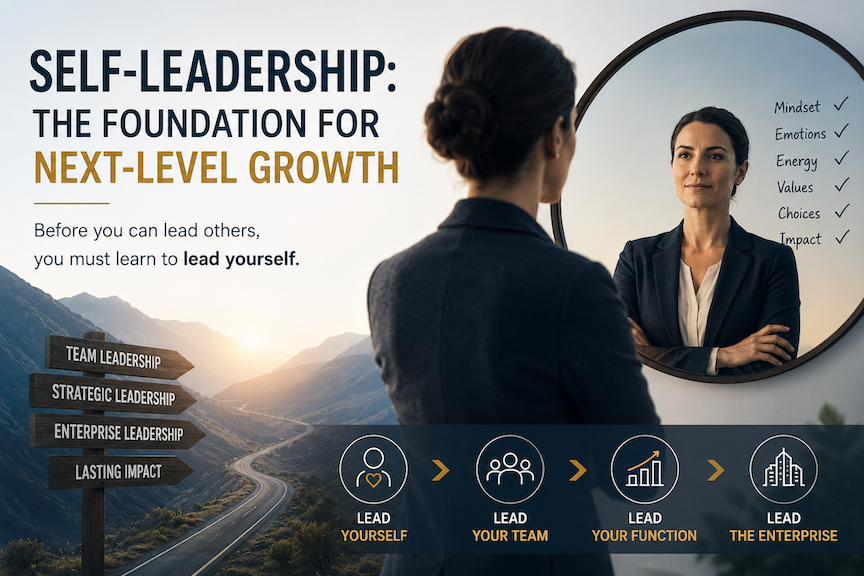
Self-Leadership: The Foundation for Next-Level Growth